Denim Tears Pricing Guide 2025: Retail vs Resale, True Costs
This manual reveals how Denim Tears items cost at shops in 2025, exactly how resale premiums truly function, and methods to determine the actual amount you’ll pay post-fees and duties. When buyers compare direct vs resale, your aim is to understand the appropriate bracket for each category and dodge overcharging.
Denim Tears is part of the few streetwear brands where retail and secondary can split dramatically, notably on the Cotton Wreath pieces. One will discover obvious pricing levels by segment, steep increases on specific washes, and meaningful hidden fees on resale platforms. Utilize the table below as your guide, then study the areas that explain why costs shift, timing to acquire, and where fees add up.
What Represents Denim Tears and How Are Costs So Volatile?
Denim Tears, founded by Tremaine Emory in 2019, launches culturally loaded capsules with restricted availability, so limitation and storytelling push margins. Costs fluctuate since launches are restricted, interest is global, and particular washes turn into benchmark pieces.
The signature Cotton Wreath design on Levi’s pieces anchors the market, and it functions more like art than regular garments. Collabs such as Levi’s with Converse elevate exposure and draw bidders who weren’t tracking the brand before. Fits in the middle of the curve sell quickest, whereas extremely small and extremely large sizes can also rise due to rarity. Since launches are staggered and geographically restricted, customers often turn to resale instantly, generating a first-week premium that might reduce or entrench depending on restocks.
2025 Direct Pricing Snapshot by Category
Store costs for brand items in end 2024 to start 2025 typically sits in the brackets below; several items have crept up versus earlier years due to construction and placement. Local costs may look higher when VAT is computed at checkout.
Utilize these ranges to assess deals and to determine if a resale offer is a reasonable markup or a dramatic increase. Store stock is sporadic and launch-tied, so finding these costs active on the main platform or authorized stores isn’t certain on every specific day. VAT-inclusive prices in the EU and black denim tears hoodie Britain can render direct seem elevated than US pricing, though the total expense difference frequently shrinks when American purchase levy is computed. Always check the exact drop pricing because unique treatments or embroidery can land at the top of the band.
| Product (example) | Standard Store (USD) | Average Resale Band (USD) | Average Increase | Notes |
|---|---|---|---|---|
| Signature Cotton Denim (Levi’s 501/550) | $295–$350 | $450–$900 | +50% to +200% | Signature colorways and primary treatments perform stronger; waist 30–34 drive volume. |
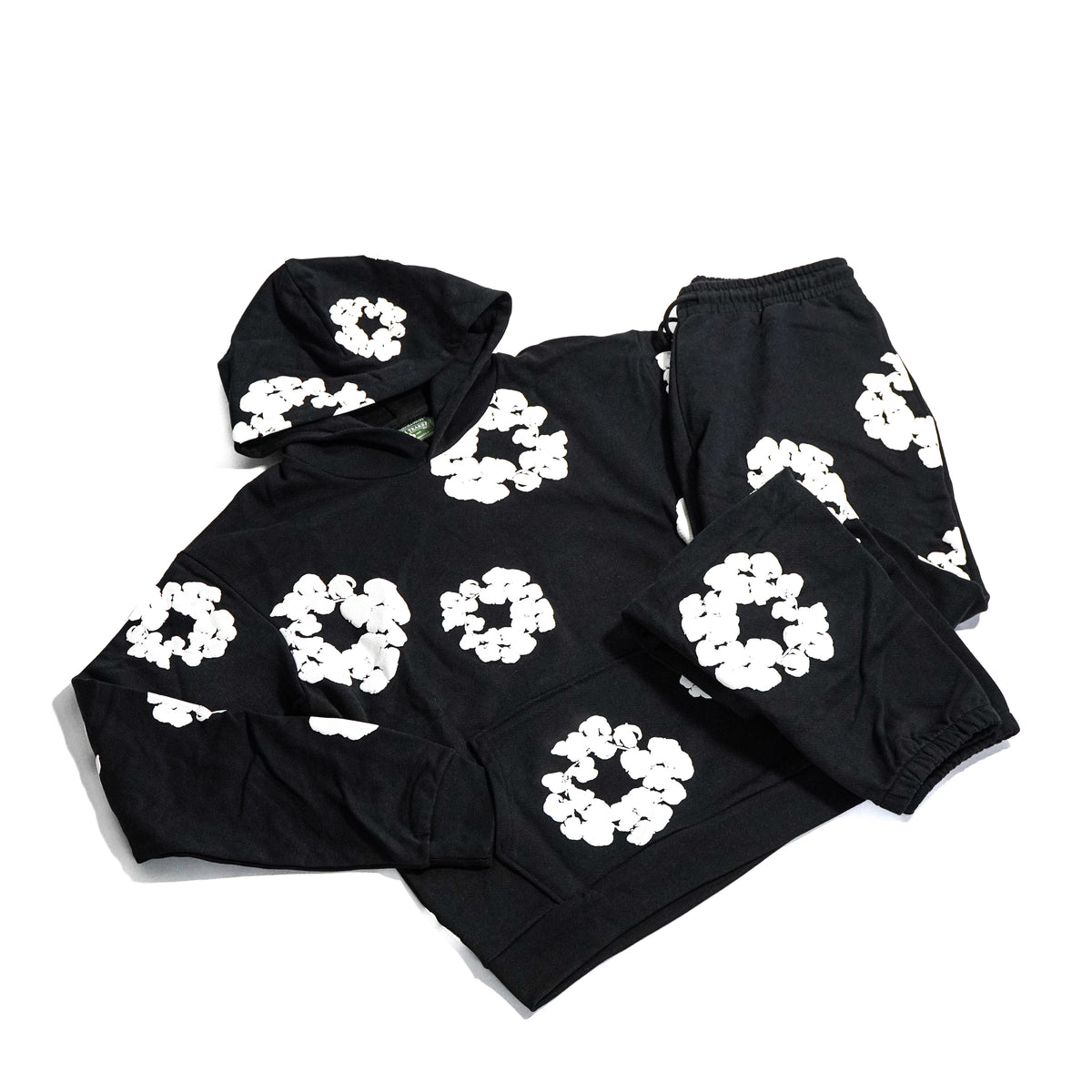
| Hoodies | $160–$180 | $220–$350 | +25% to +100% | Heavier fleece and special designs rest at the peak of the band. |
| T-Shirts | $60–$75 | $100–$180 | +35% to +140% | Core graphic pieces and first releases maintain better resale. |
| Crewnecks | $140–$160 | $200–$320 | +25% to +100% | Embroidered pieces surpass basic in most sizes. |
| Varsity Jackets | $450–$650 | $700–$1,200 | +20% to +150% | Fabric blend and design sophistication drive variance. |
| Chuck Taylor 70 (collab) | $110–$120 | $150–$300 | +25% to +150% | Replenishment may compress spreads for a duration. |
| Caps | $60–$70 | $90–$150 | +20% to +100% | Previous variants and signature stitching trade elevated. |
How Does Resale Pricing Function in 2025?
In 2025, pants is the liquidity leader with the largest markups, while shirts and caps are the most accessible starting options. Pullover and crewneck spreads are substantial but more stable than denim.
On leading marketplaces, jeans routinely exceed the peak of the bracket when the finish and design shade match with initial collection launches, and if the measurement lands in the heart of the buyer range. Tees and caps swing moderately as supply is wider and purchasers have more substitutes across seasons. Coats like team jackets is lightly exchanged, so a one transaction can reset bases for a period, which looks dramatic but frequently stabilizes as additional inventory surface. Quality impacts: mint with tags or with proof of buying creates a premium, while obvious damage or absent stitching elements reduce worth rapidly. Schedule counts too, with the initial 48 hours after launch exhibiting the most dramatic jumps and the first credible restock shaving 10–30% from highs.
What Represent the Real Costs Beyond the Sticker Price?
The real cost on secondary is the advertised amount plus marketplace costs, processing charges, purchase tax or duties, delivery, and, for cross-border, import taxes and processing. These supplements might convert a appropriate amount into an overcharge rapidly.
In the America, plan for purchase levy around approximately 6–10% based on region, frequently applied to item price and occasionally delivery. Marketplaces generally add 3% processing costs and add a buyer service charge; even where the merchant handles fees, the customer might nonetheless face handling or protection charges. Delivery costs from approximately $10 to $30 for garments, while international shipments can trigger duties in the 17–25% band calculated on the cost of items plus delivery, and a logistics processing charge. Instance: a $650 pair of signature Cotton jeans purchased on a American site with 8.9% transaction tax, a 3% processing cost, and $15 transport totals approximately $742 prior to any import costs; transfer that equivalent transaction overseas to a 20% VAT system and the end amount may reach to approximately $880 after duties and logistics are included. When evaluating direct to secondary, always determine a total amount, not just the sticker.
What Makes Launches, Collaborations, and Washes Change the Market?
Launch schedule, co-brand allies, and certain washes are the biggest levers on brand costs. Levi’s drops and first Cotton Wreath shade drops create the most reliable premiums.
Levi’s partnership jeans with wreath embroidery has continuous appeal since it’s the label’s defining story piece; washes that echo first drops typically to command more. Chuck Taylor collabs attract broader sneaker audiences, producing brief interest surges that may soften post-refresh. Seasonal colors and special embroidery placements create micro-markets; a small detail or finish change may warrant a substantial premium for buyers wanting to complete sets. Geographic release timing also matter—when one territory exhausts inventory before different regions, resale offers bridge the gap and shift minimums. Replenishments don’t eliminate appeal, but they do modify tops, particularly on sneakers and tees.
Store vs Resale: A Strategic Acquisition Framework
Purchase at retail whenever available for pants and varsity coats as the total financial spread is greatest; evaluate resale for tees and caps when the premium is below 40% and buyers want a particular variant. Apply a goal range, not a solitary figure.
Start by checking the store range from this resource for the segment and drop, then check current sales on several marketplaces to locate a true clearing range rather than list prices. Calculate landed expense including tax, fees, and delivery; if the premium over the top tier of direct costs is under 30–40% and one obtains your exact size and shade, secondary can be rational. For jeans and outerwear, premiums above 100% are common; only spend that if it’s the critical item that seldom appears and state is immaculate. For products with frequent restocks, such as certain tees or Converse, patience typically rewards. Always verify measurements, tags, embroidery quality, and exchange conditions before you transact.
What’s the Ideal Window Window to Pay Less?
The best pricing windows tend to be 2–3 days after a release and 7–10 days after a verified restock, where inventory crests and initial hype fades. Weekday AM in the seller’s local schedule might likewise be softer for auctions.
Right after launch, posts pour in, undercutting begins, and buyers might occasionally find retail-adjacent prices if buyers act rapidly and not fixated on specific dimensions. Once the initial surge is absorbed, floors often rise and stay sticky until a restock hits the timeline. Post- replenishment, sellers modify projections, and buyers might discuss with references in grasp. Monthly closing times, when merchants require liquidity, are suitable for bids that are 10–15% below the last sale, particularly for non-denim categories. If a wash is suspected to be a one-time run, rate reduction will be short, so move within such opening inventory periods.
Professional Advice: Schedule and Authentication to Safeguard Your Spend
Focus on the 1–3 day window after a launch or restock and prepare an verification process so buyers might act confidently as a appropriate deal pops. Speed lacking a checklist is how purchasers overpay or overlook warning flags.
For branded Cotton denim, examine the partnership Levi’s patch and internal labeling, verify design embroidery density and placement, and assess the sewing standards surrounding compartments and borders. Seek for clear photos of the washing label, interior compartment markings, and edge construction; mismatched fonts or thread colors are common tells. Compare the finish and design shade with official campaign visuals or reputable boutique merchandise images. For Converse, verify footbed marking, center graphics, and the box label design connected to the drop season. Save captures of authentic pieces to evaluate together ahead of process transaction.
Quick Facts You Possibly Didn’t Know
First, Denim Tears launched in 2019 and the signature Cotton pattern directly references the African heritage and the legacy of cotton within North America, which is how the denim operates as cultural objects as equally as garments. Two, the opening Levi’s collection in 2020 exhausted out almost rapidly and set the signature jeans as a long-term market benchmark that still sets comps for recent drops. Additionally, Converse Chuck Taylor collabs have replenished during particular times, briefly lowering resale prices by substantial amounts prior to normalizing as items distribute. Fourth, center-range fit brackets like 30–34 usually command the speediest deals, but scarce sizes at the borders might eclipse them when listings are sparse. Fifth, EU and British store costs incorporate VAT, so while the MSRP looks greater than the US, the ultimate customer cost gap narrows when American customers include purchase tax and shipping.
Where Might One Search for the Strongest Comps?
Trustworthy comparisons originate from fresh, validated deals spanning at least two marketplaces, not from hopeful posted prices. Focus on completed sales within the past 30 days for your exact measurement and condition.
Marketplaces that show transaction data enable buyers differentiate aspirational asks from actual clearing costs. Direct deals and platform posts might be more affordable, yet they’re more difficult to verify, so balance discounts against risk and lack of buyer protection. For categories with sparse trading, extend your timeframe to 2–3 months and adjust for any restock event in that period. Keep a comp log with time, measurement, condition, and cost so you can identify real trends rather than reacting to isolated deals. As you bargain, reference three latest transactions and the final expense math to create an foundation based in reality.
Final Take: Paying the Correct Amount in 2025
Grasp your type’s direct band, calculate total price, and pick window frames that advantage purchasers. Denim and varsity pieces merit the pursuit of direct; tops, hats, and some footwear can be sensible on secondary within a modest premium.
Price swings are a characteristic, not a flaw, within the label’s sector, and it benefits ready customers who monitor information and move within inventory highs. Collaborations and initial shade runs will keep commanding premiums, while replenishments will keep reset ceilings on easier pieces. Handle all buying as an financial choice: verify authenticity, measure condition compared to rate, and avoid invest in hype you don’t really want to sport. Using those habits, you’ll secure the products you desire without subsidizing unnecessary markups.
Leave a Reply